 Lake Ashi Cruise
Is the Hakone Freepass Worth It? A 2026 Price and Coverage Guide
Last reviewed August 2026
Is the Hakone Freepass worth it in 2026? Yes, once your day includes more than a single boat crossing, current pricing is 6,000 yen for the two-day version from Odawara and 7,100 yen from Shinjuku, in force since 1 October 2025. On a day that is only a ropeway ride and one cruise leg, the pass usually does not pay for itself, and two older tickets that used to change that math were quietly withdrawn the same season. Below is what the pass costs now, what it actually covers, the break-even arithmetic, and when a guided day trip is the simpler route to the lake.
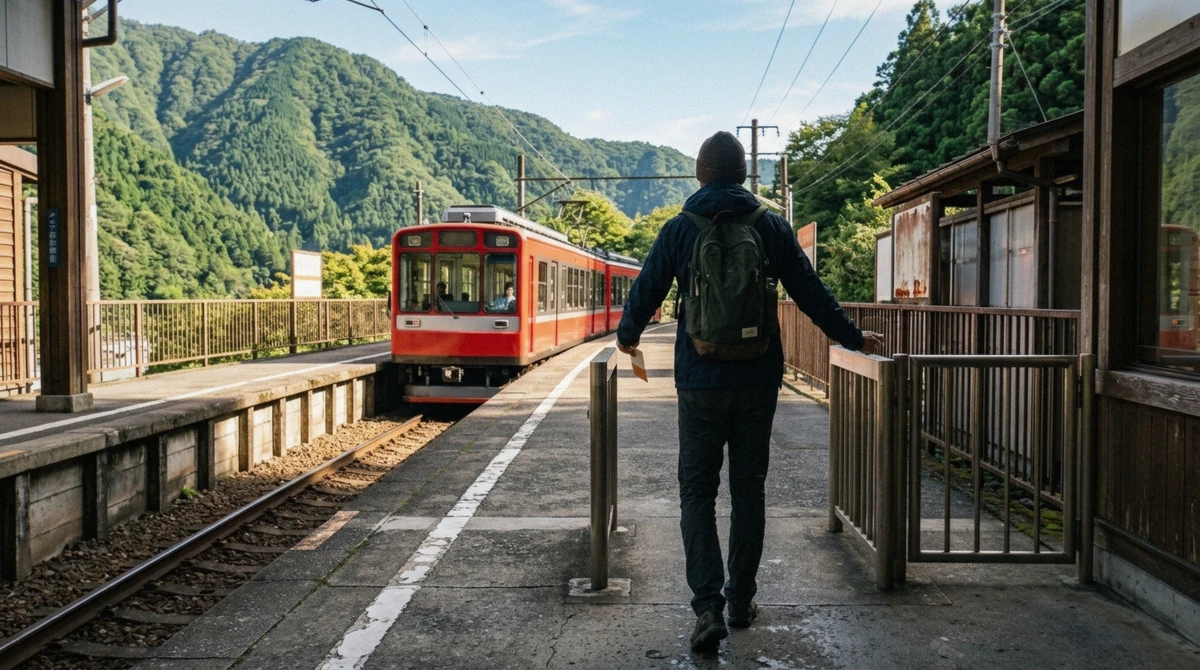
Quick answer The 2026 price, and the point where it starts paying
The Hakone Freepass is worth it once your day adds the Hakone Tozan railway, a bus leg or a second boat crossing on top of the cruise. At 6,000 yen for two days from Odawara, or 7,100 yen from Shinjuku, a single one-way boat ride plus a ropeway ride alone does not clear the price.
Key takeaways
- The two-day pass costs 6,000 yen from Odawara or 7,100 yen from Shinjuku, prices that rose on 1 October 2025
- It covers eight modes of transport including the Lake Ashi cruise fares, but not the Romancecar reserved-seat surcharge
- Break-even needs the Tozan railway, a bus leg, or a second boat crossing added to one cruise ride
- Two older tickets were withdrawn after 30 September 2025 and are still printed on out-of-date blog posts
- For someone to work the pass math out for you, the private guide who plans your day builds it into the itinerary
- For a single ropeway-and-cruise day, it is usually cheaper to compare Hakone day tours instead of buying the pass
What the Hakone Freepass Costs in 2026
Six passes, one price rise
Odakyu Hakone raised every Freepass tier on 1 October 2025. The two-day pass bought at Odawara Station moved from 5,000 yen to 6,000 yen for an adult, and the three-day version moved from 5,400 yen to 6,400 yen. Children's fares rose by roughly the same margin. Buying from Shinjuku costs more because that version bundles the Odakyu railway return leg between Shinjuku and Odawara into the same ticket, which the Odawara version does not include.
Two shorter passes sit alongside the Freepass proper: an Owakudani 2-Day Pass, whose ropeway validity was extended in October 2025 to cover the full Sounzan to Togendai stretch, and a one-day Sightseeing Cruise and Ropeway Pass for a single day at the lake without the wider rail network.
| Pass | Adult | Child | Note |
|---|---|---|---|
| Hakone Freepass 2-day, from Odawara | 6,000 yen | 1,500 yen | was 5,000 yen / 1,000 yen before October 2025 |
| Hakone Freepass 3-day, from Odawara | 6,400 yen | 1,750 yen | was 5,400 yen / 1,250 yen before October 2025 |
| Hakone Freepass 2-day, from Shinjuku | 7,100 yen | 1,600 yen | includes the Odakyu return leg to Odawara |
| Hakone Freepass 3-day, from Shinjuku | 7,500 yen | 1,850 yen | includes the Odakyu return leg to Odawara |
| Owakudani 2-Day Pass | 5,000 yen | 1,300 yen | ropeway validity extended to full Sounzan–Togendai in October 2025 |
| Sightseeing Cruise and Ropeway Pass, 1 day | 5,000 yen | 1,400 yen | no Tozan railway or buses, one day only |
These are the current prices; the live checkout price on Odakyu's own booking page is what actually governs on the day you travel, and this table is a snapshot rather than a live feed.
What It Actually Covers
Eight modes under one ticket
The Freepass covers eight modes of transport around the Hakone loop: the Odakyu line base fare, the Hakone Tozan mountain railway, the Tozan cablecar, the Hakone Ropeway, the Lake Ashi sightseeing cruise, and designated Tozan and Odakyu Hakone buses, plus onward local variants on those bus routes. On top of the rides, holders get discounted entry at about 70 facilities around the area, from museums to onsen day-use baths, which is easy to overlook when comparing it against a single cruise ticket.
- Odakyu line base fare (Shinjuku pass version only)
- Hakone Tozan railway, Hakone-Yumoto to Gora
- Tozan cablecar, Gora to Sounzan
- Hakone Ropeway, Sounzan to Togendai
- Lake Ashi sightseeing cruise on the Odakyu ships
- Designated Tozan and Odakyu Hakone bus routes
- Discounted entry at roughly 70 partner facilities
Two things it does not cover
The Odakyu Romancecar is not included; the pass only covers the base fare on that line, and the reserved-seat surcharge is 1,200 yen for an adult and 600 yen for a child on top, paid separately when you book a seat. The pass is also not valid on the Izuhakone boats that call at Hakone-en and Hakone Sekisho-ato on the lake's eastern shore. It only covers the Odakyu ships that dock at Togendai, Hakone-machi and Moto-Hakone, which is where the Lake Ashi cruise fares apply directly.
The Break-Even Maths
One crossing and one ropeway ride is not enough
Work the numbers from the pier and the ropeway station rather than from the brochure. A one-way sightseeing cruise crossing costs 1,700 yen, and a one-way ropeway ride costs 2,000 yen. Add those two and a visitor pays 3,700 yen riding both once each, well under the 6,000-yen price of the two-day Odawara pass.
- One-way cruise (1,700 yen) plus one-way ropeway (2,000 yen) = 3,700 yen out of pocket
- The 6,000-yen pass needs another 2,300 yen of riding before it breaks even
- A return cruise crossing (3,000 yen) plus a return ropeway ride (3,000 yen) already reaches 6,000 yen on its own
- Add the Hakone Tozan railway or the Tozan buses on the same day and the pass clears its price easily
In practice the pass earns its keep on a loop day: railway up to Gora, cablecar and ropeway to Togendai, cruise across the lake, bus back to Hakone-Yumoto. It does not earn its keep on a day trip that only visits the lake and the ropeway once each, which describes most guided tours arriving by coach rather than by rail.
The Two Tickets That No Longer Exist
Two tickets that older guides still recommend were withdrawn after 30 September 2025 and can no longer be bought: the Hakone Sightseeing Cruise and Ropeway all-you-can-ride 2-day pass, which used to let visitors ride the boat and ropeway on repeat for two days without the wider Freepass network, and the Hakone Public Transports Single-Way Pass, a one-direction ticket aimed at visitors passing through rather than looping back. Anyone planning around either of those two tickets from an article written before autumn 2025 needs to replan; the closest working substitutes now are the Owakudani 2-Day Pass and the full Freepass compared above.
Shinjuku Version or Odawara Version
The difference is one train leg
Both versions unlock the same eight modes inside Hakone. The only real difference is whether the ticket also gets you from Shinjuku to Odawara on the Odakyu line, since the Shinjuku version folds that leg's fare into the price and the Odawara version assumes you already arrived some other way, on a Shinkansen ticket, a Japan Rail Pass, or a Romancecar seat bought separately. Getting there from Tokyo has the full comparison of those approach routes and their own fares.
| Starting point | Adult price, 2-day | What it includes | Best for |
|---|---|---|---|
| Odawara | 6,000 yen | Everything inside Hakone; no Tokyo–Odawara leg | Travelers arriving by Shinkansen, Japan Rail Pass, or their own Romancecar ticket |
| Shinjuku | 7,100 yen | Everything inside Hakone plus the Odakyu return leg to Odawara | Travelers starting and ending their trip in Shinjuku who want one ticket for the whole day |
Where and How to Buy It
The pass is valid for two or three consecutive days, with the day of purchase counting as day one, so buying it the evening before a full loop day wastes part of its validity. It is sold two ways: as a digital ticket loaded onto a smartphone through Odakyu's own app, or as a paper ticket bought at Odakyu stations and Hakone-area service centres. The paper version still needs to be shown or scanned at ropeway and boat gates, the same as the digital one; neither format skips the boarding queue at the pier during a busy midday sailing.
When to Skip the Pass
The honest cases against buying it
The pass is a bad buy on a handful of common trip shapes. A single crossing of the lake with no ropeway, no railway and no bus leg costs 1,700 yen one way; the pass at 6,000 yen loses that comparison outright. A day trip arriving and leaving by coach on a guided tour rarely touches the Tozan railway at all, so the modes that make the pass pay off never get used.
And travelers heading specifically to Hakone-en or the Komagatake ropeway on the eastern shore are riding Izuhakone boats the pass does not cover, so the pass buys nothing extra on that leg regardless of price.
- One boat crossing only, no ropeway or railway added
- A coach-based day trip with no independent rail travel inside Hakone
- A visit centred on Hakone-en or the Komagatake ropeway, served by Izuhakone boats
If You Are Taking a Guided Day Trip Instead
Most Hakone day tours from Tokyo do not include the boat fare in the headline price; the boat is an add-on paid at the pier or bundled separately, so the pass math above still applies even on a booked tour. One tour on this route is the exception worth knowing about: the tour that includes the boat fare folds the Lake Ashi crossing into its price along with a stop at Kamakura's Great Buddha, which removes the pier payment entirely rather than replacing it with a pass. For travelers who would rather have someone else handle the routing and the ticket math on the day, the private guide who plans your day starts in Hakone itself and works out whether a pass or point-to-point tickets suit that particular itinerary.
Does the Pass Pay for Your Trip
If You are doing the full circuit in a day: railway, cablecar, ropeway, boat, bus
Buy it. Five legs bought separately clear the two-day price comfortably.
If You are crossing the lake once and riding the ropeway once, then leaving
Skip it. Those two legs come to 3,700 yen against 6,000 for the pass.
If You are staying two nights and moving around the caldera each day
Buy the three-day version. The extra 400 yen over the two-day buys a whole additional day of buses.
If You are starting from Shinjuku rather than Odawara
Buy the Shinjuku version, which folds in the Odakyu return leg, and add the Romancecar surcharge only if you want the reserved seat.
If You are taking a guided day trip from Tokyo
You do not need a pass at all. The coach covers the ground and the only ticket most listings leave you is the boat. See compare Hakone day tours.
Questions About the Hakone Freepass
What does the Hakone Freepass include besides the boat?
Eight modes of transport in total: the Odakyu line base fare on the Shinjuku version, the Hakone Tozan railway, the Tozan cablecar, the Hakone Ropeway, the Lake Ashi sightseeing cruise, and designated Tozan and Odakyu Hakone buses, plus discounted entry at around 70 partner facilities.
How do you get the Hakone Freepass?
Buy it as a digital ticket through Odakyu's app or as paper at Odakyu stations and Hakone-area service centres. It runs for two or three consecutive days from the date of purchase, which counts as day one.
Does the Hakone Freepass cover the Romancecar?
No. The pass covers the Odakyu line's ordinary base fare only; riding the reserved-seat Romancecar needs a separate surcharge of 1,200 yen for an adult and 600 yen for a child on top of the pass.
Does the Hakone Freepass work on every boat on Lake Ashi?
No. It covers only the Odakyu sightseeing ships that call at Togendai, Hakone-machi and Moto-Hakone. It is not valid on the Izuhakone boats that serve Hakone-en and Hakone Sekisho-ato on the eastern shore.
Is the Hakone Freepass worth it for a single day trip?
It depends on how much of the loop you cover. A day that adds the Tozan railway, a bus leg or a second boat crossing to the ropeway and cruise usually clears the 6,000-yen price. A day with only one crossing and one ropeway ride, at 3,700 yen combined, usually does not.
Where can you buy the two-day Freepass?
At Odakyu stations including Shinjuku and Odawara, at Hakone-area service centres, or digitally through Odakyu's own app. Prices differ by starting point: 6,000 yen from Odawara, 7,100 yen from Shinjuku, since the Shinjuku version includes the railway leg between the two.
The pass is not a default yes or no; it is arithmetic against whatever route you are actually riding that day. Add up the legs first, compare the total to 6,000 or 7,100 yen, and buy the pass only once the math says it wins. The fares the pass is measured against sit on the Lake Ashi cruise guide.